

.png)
In cooperation with the Geological Survey of Iran (GSI), the third geological heritage of Iran was selected in the second round of the selection of the top 100 world sites of the International Union of Geological Sciences (IUGS) in Busan, South Korea.
In cooperation with the Geological Survey of Iran (GSI), the third geological heritage of Iran was selected in the second round of the selection of the top 100 world sites of the International Union of Geological Sciences (IUGS) in Busan, South Korea.
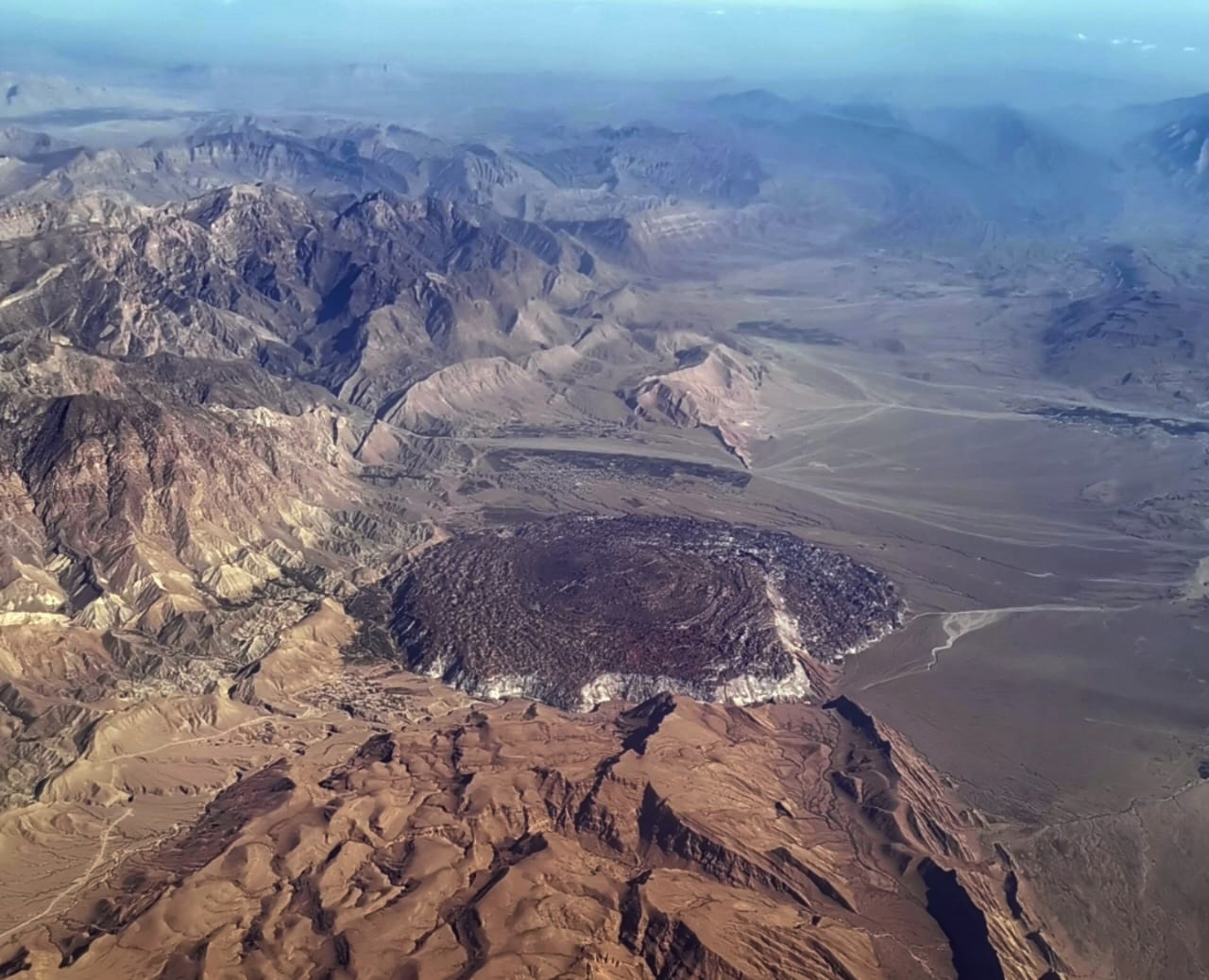
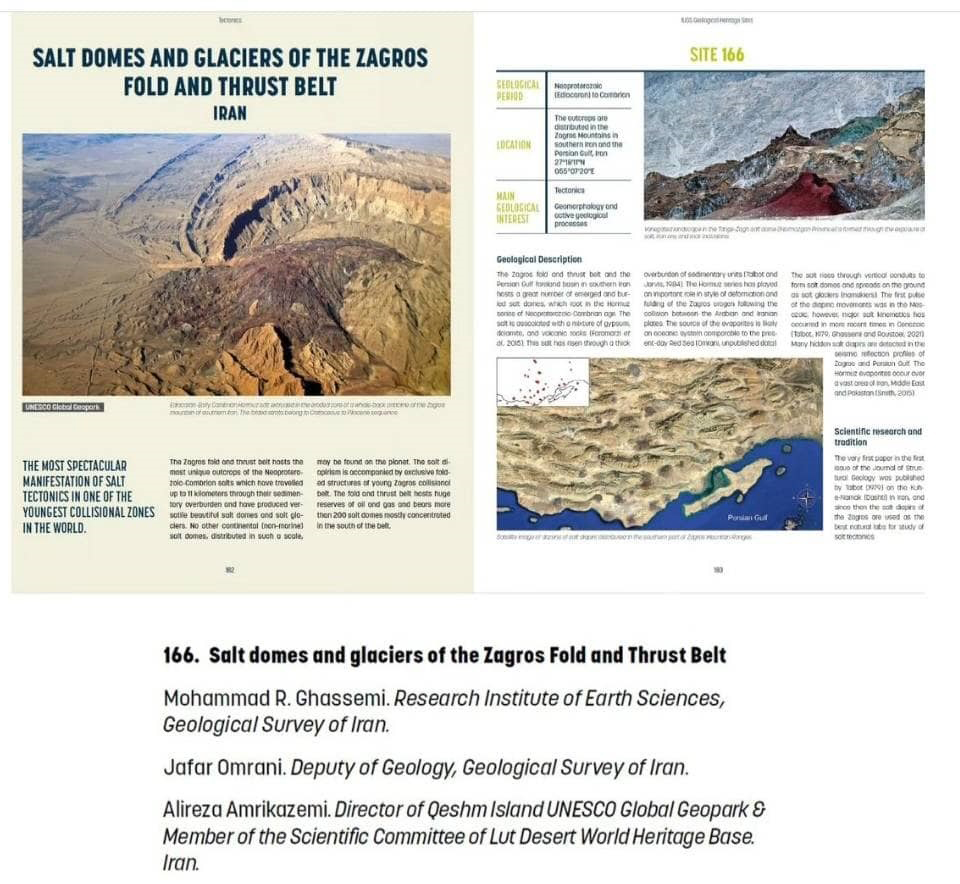
Reported by the public relations department of the GSI, the deputy of geology of this organization said, ” The International Union of Geological Sciences (IUGS) announced the list of the second ۱۰۰ IUGS Geological Heritage Sites at the 37th International Geological Congress (IGC) in Busan, Republic of Korea and on this basis the Salt Domes and Glaciers of the Zagros Fold and Thrust Belt, Iran were accepted and introduced in the afore-mentioned list.
According to Dr. Jafar Omrani, this announcement was made by IUGS president John Ludden, Stanley Finney, IUGS secretary general, and Asier Hilario chair of the International Commission on Geoheritage on August 27th during a special event of the 37th International Geological Congress and over ۷۰۰ experts from ۸۰ nations and ۱۶ international organizations participated in this global synergy for the recognition and registration of the geological heritage by IUGS.
Noting that the International Union of Geological Sciences (IUGS) introduced ۱۰۰ sites as the most important and outstanding geological places of the world from among the nominated sites around the world via holding a vote, he added, “ above all, at the final stage and after the initial screenings in the second ۱۰۰ Geological Heritage Sites، ۱۷۴ sites from ۷۴ countries of the world were the candidates to obtain this title” .
While emphasizing that all candidates were evaluated, privileged and ranked by a group comprising ۸۹ specialists from all over the world in all geological approaches, Omrani said, " as a result of this evaluation and after the re-evaluation and checking, they were at last selected by ۲۰ of the voting members of the selection committee who are the representatives of ۱۶ international organizations in this global effort and the final selection of the “ Second 100” was ratified by the IUGS Executive Committee on February ۲۱.۲۰۲۴.
According to the geology deputy of the GSI, these valuable sites have been depicted and elaborated attractively in the book of “ The Second ۱۰۰ Geological Heritage Sites of the IUGS” and will be further promoted in the website of the International Commission of the Geological Heritage as well.
He continued, ” The publication of this fabulous book in the 37th International Geological Congress in Busan, Korea on August 27th، ۲۰۲۴ caused these sites to be known for the first time by a large number of geologists as well as the public general” .
It is worth mentioning that this global challenge is governed biennially by IUGS and the “ third 100” as well as the “ fourth 100” will take place in ۲۰۲۶ and ۲۰۲۸ respectively. The announcement of the second ۱۰۰ geological heritage sites was one of the main events of the second day of the 37th International Geological Congress.
This congress is the principal geoscience-related gathering bringing together the geologists from all around the world every ۴ years. The announcement of the first ۱۰۰ geological heritage sites commenced during the 60th anniversary of IUGS in ۲۰۲۲ in Zumaia (Basque Coast, Spain). The aim of this joint program is to identify the geological sites of the highest value from global heritage point of view and introduce them to the nations.
After all, in the first round of selecting the ۱۰۰ global sites in ۲۰۲۲، Salt Cave of Qeshm Island and the Lut Desert from Iran were included in the “ First 100” by Alireza Amrikazemi, the former expert of the GSI and the member of Geoscience and Geoparks Committee of the National Commission of UNESCO-Iran and member of Global Council of Geoparks in collaboration with a group of professors and independent specialized experts.
Also, in the new round an outstanding site titled Salt Domes and Glaciers of the Zagros Fold and Thrust Belt, Iran was introduced to IUGS and fortunately got accepted and what`s more, all the scientific documents and deeds required were provided by Alireza Amrikazemi in cooperation with Dr. Mohammad Reza Qasemi from Research Institute for Earth Sciences (RIES) of the GSI and Dr. Jafar Omrani, Deputy of Geology of the GSI.
Hope by the advancement of these efforts other national sites of Iran will be approved in the upcoming lists of IUGS and be introduced to those interested in geosciences throughout the world.
Comment